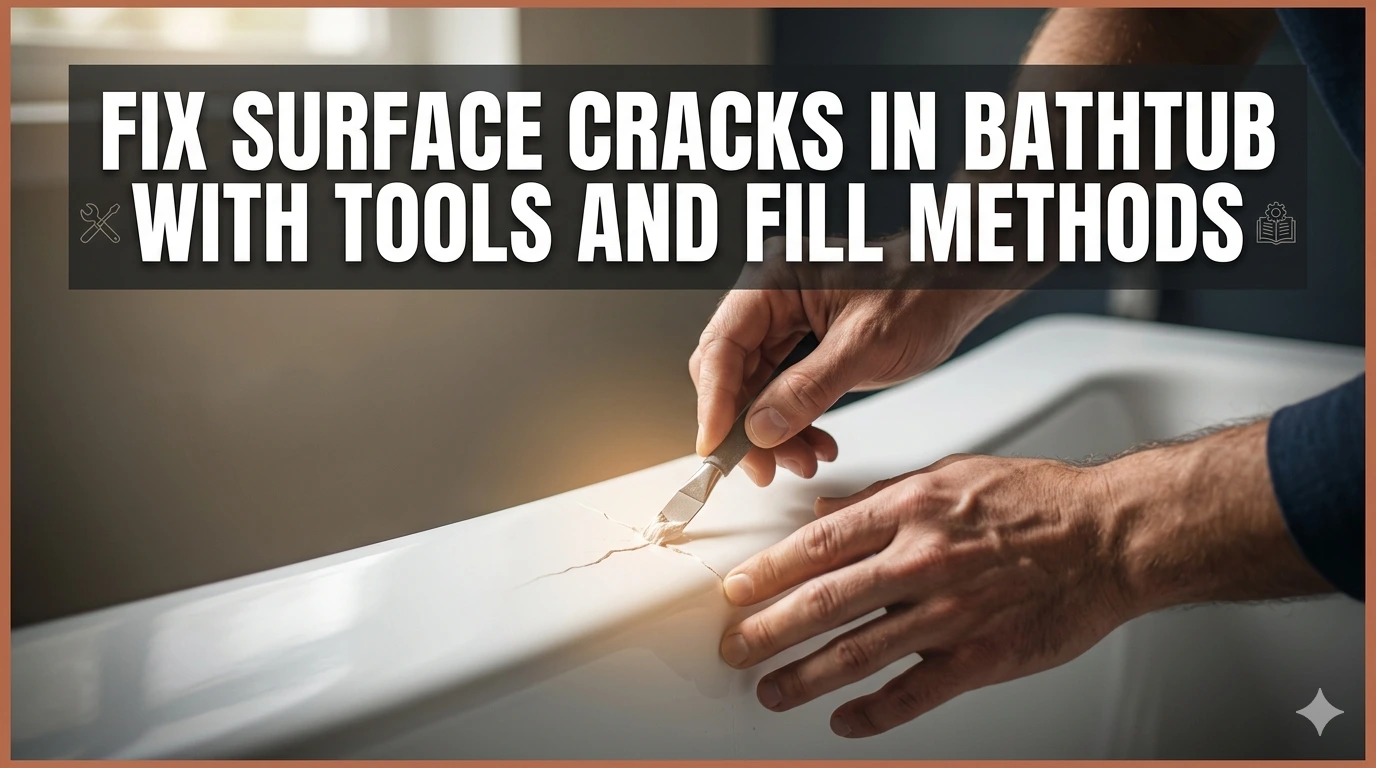
A cracked bathtub can make your whole bathroom look old and damaged. Small cracks may not seem serious at first, but they can grow bigger over time. Water can seep into the crack and cause leaks, mold, and more damage under the tub. That is why you should fix surface cracks as soon as you notice them.
Many homeowners try quick DIY fixes, but some repairs only last for a short time. If you use the wrong materials or skip important steps, the crack can come back again. With the right repair tools and crack-filling methods, you can restore your bathtub and keep it looking smooth and clean for years.
What Causes Surface Cracks in a Bathtub?
Bathtubs go through daily use, so damage can happen over time. Different materials like fiberglass, acrylic, and porcelain can all develop cracks.
Common Causes of Bathtub Cracks
Several things can lead to surface cracks, including:
- Dropping heavy objects into the tub
- Poor support under the bathtub
- Old bathtub materials are wearing out
- Hot and cold temperature changes
- Strong cleaning chemicals
- Improper installation
Small cracks can quickly spread if you ignore them. Early bathtub crack repair helps prevent bigger problems later.
Different Types of Bathtub Cracks
Not every crack is the same. Some only affect the top surface, while others go deeper.
Hairline Cracks
These are thin cracks on the top coating of the bathtub. They usually start small but can grow over time.
Spider Cracks
These cracks spread out like a web after impact damage.
Structural Cracks
These cracks go deeper into the tub material. They often need professional repair because they can weaken the bathtub.
Best Repair Tools for Bathtub Crack Repair
Using the right repair tools makes a big difference. Good tools help you create a smoother and stronger repair.
Basic Tools You Need
Here are some common tools and materials for fixing bathtub cracks:
- Sandpaper
- Putty knife
- Epoxy filler
- Fiberglass repair kit
- Cleaning supplies
- Gloves and a safety mask
- Painter’s tape
- Polishing compound
These repair tools help prepare the surface and create a clean finish.
Why Surface Preparation Matters
Before you start crack filling, you must prepare the bathtub surface properly. Dirt, soap scum, and moisture can stop the filler from sticking correctly.
Follow these simple steps:
- Clean the bathtub well
- Dry the area completely
- Sand around the crack
- Remove loose debris
- Apply filler carefully
Good preparation helps the repair last longer.
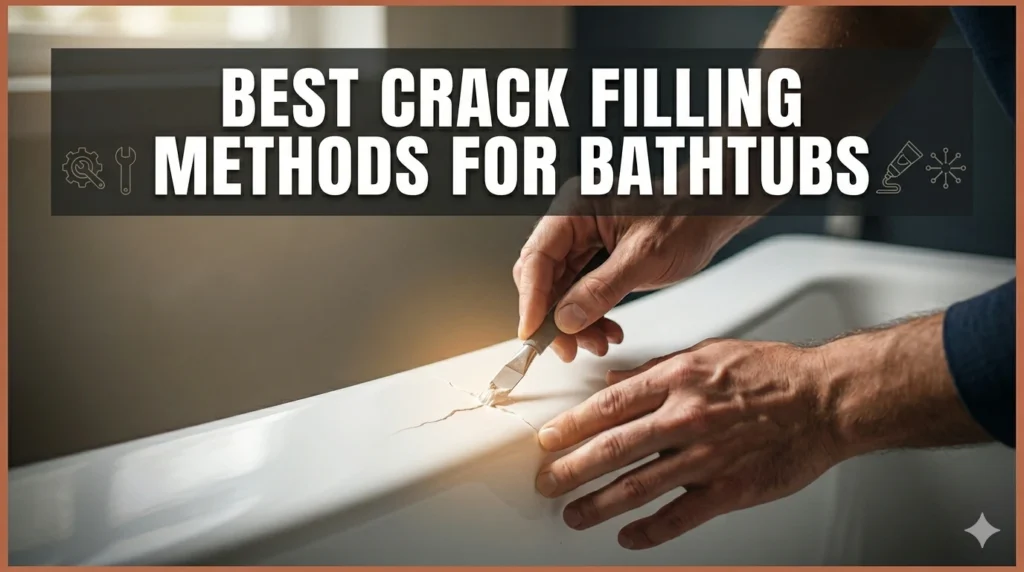
Best Crack Filling Methods for Bathtubs
Different tubs need different repair methods. Fiberglass tubs need different fillers than acrylic or porcelain tubs.
Epoxy Fillers for Strong Repairs
Many professionals use epoxy fillers because they create strong and waterproof repairs. Epoxy works very well for fiberglass bathtub repair.
Benefits of epoxy fillers include:
- Strong bonding
- Water resistance
- Smooth finish
- Long-lasting results
After the filler dries, you can sand it smooth and refinish the tub surface.
Acrylic Fillers for Acrylic Tubs
Acrylic tubs need flexible repair products. Acrylic fillers blend better with the tub surface and help create a natural finish.
Professional crack-filling services often match the tub color carefully so the repair becomes less noticeable.
Fiberglass Reinforcement for Large Cracks
Large cracks may need extra support. Professionals often use fiberglass mesh to strengthen the damaged area.
This process usually includes:
- Applying resin under the crack
- Adding fiberglass mesh
- Covering it with filler
- Sanding and refinishing the area
This method helps stop the crack from spreading again.
DIY Repairs vs Professional Bathtub Repair
Some homeowners try to fix cracks themselves with store-bought repair kits. Small cracks may respond to DIY repairs, but larger damage often needs professional help.
Problems with DIY Bathtub Repairs
DIY repairs can fail if you:
- Use low-quality materials
- Skip sanding steps
- Apply filler unevenly
- Fail to seal the crack properly
- Use the wrong repair products
Some DIY repairs look fine at first but become visible again after a few months.
Benefits of Professional Repair Services
Professional technicians use better materials and advanced refinishing equipment. They know how to repair different bathtub surfaces correctly.
Professional repair offers many benefits:
- Smooth finishes
- Better color matching
- Stronger repairs
- Faster work
- Longer-lasting results
Professionals can also spot hidden damage before it becomes worse.
How Bathtub Refinishing Helps Restore Old Tubs
After crack filling, refinishing helps restore the bathtub surface. Refinishing adds a fresh coating that makes the tub look newer and cleaner.
Steps in the Refinishing Process
Professional refinishing usually includes:
- Deep cleaning
- Crack and chip repair
- Sanding the surface
- Applying bonding agents
- Spraying a new coating
- Final polishing
This process gives the bathtub a smooth and glossy finish.
Refinishing vs Replacement
Many homeowners compare the bathtub refinishing cost with the cost of replacing the entire tub. Replacement often costs much more because workers may need to remove tile, plumbing, and flooring.
Refinishing saves money and takes less time. It also helps homeowners avoid major bathroom construction.
How to Prevent Future Surface Cracks
Once you repair the bathtub, good maintenance can help prevent future damage.
Simple Tips to Protect Your Bathtub
Follow these easy tips:
- Avoid dropping heavy items in the tub
- Use gentle cleaning products
- Fix leaks quickly
- Do not use rough scrubbers
- Keep water from sitting around edges
These habits help protect the bathtub finish and reduce future surface cracks.
Signs You Need Professional Help
Call a professional if you notice:
- Cracks getting larger
- Soft spots in the tub
- Water leaking underneath
- Multiple cracks forming
- Stains around damaged areas
These signs may point to deeper structural damage.
Why Professional Bathtub Repair Makes Sense
A damaged bathtub affects the look and comfort of your bathroom. Professional repair can restore your bathtub without the high cost of full replacement.
Experts know how to repair fiberglass, porcelain, and acrylic tubs using proper repair tools and refinishing methods. Professional services also help your bathtub last longer and look better.
Many homeowners choose refinishing because it gives fast and affordable results. Instead of replacing the entire tub, they restore the existing surface and improve the bathroom appearance.
Choose the Right Bathtub Repair Company
Not all repair companies provide the same quality. Before hiring a company, check for:
- Experience with bathtub refinishing
- Positive customer reviews
- Quality repair materials
- Warranty options
- Fair pricing
- Before-and-after photos
A trusted company will explain the repair process clearly and recommend the best solution for your bathtub.
Restore Your Bathtub with The Bathtub Medic
If your bathtub has chips, cracks, stains, or worn surfaces, professional repair can make it look new again. The Bathtub Medic provides expert bathtub refinishing, bathtub crack repair, fiberglass repair, porcelain repair, shower repair, and bathroom restoration services.
Their team uses professional repair tools and proven crack-filling methods to restore damaged bathtubs quickly and safely. Whether you need a small repair or complete refinishing, The Bathtub Medic can help improve your bathroom without the cost of replacement.
Contact The Bathtub Medic today to schedule your bathtub repair service and bring your bathroom back to life.
FAQs
Can I fix small bathtub cracks myself?
Yes, you can repair small surface cracks with a repair kit, but larger cracks often need professional repair.
How long does bathtub refinishing last?
Professional refinishing can last for many years with proper care and cleaning.
Is bathtub refinishing cheaper than replacement?
Yes, refinishing usually costs much less than replacing the bathtub completely.
What causes surface cracks in bathtubs?
Heavy impact, old materials, poor support, and harsh cleaners often cause surface cracks.
Can professionals match the bathtub color after repair?
Yes, professional repair companies usually match the tub color closely for a smooth and natural finish.